Discovering a still little-known channel for raising money in Italy
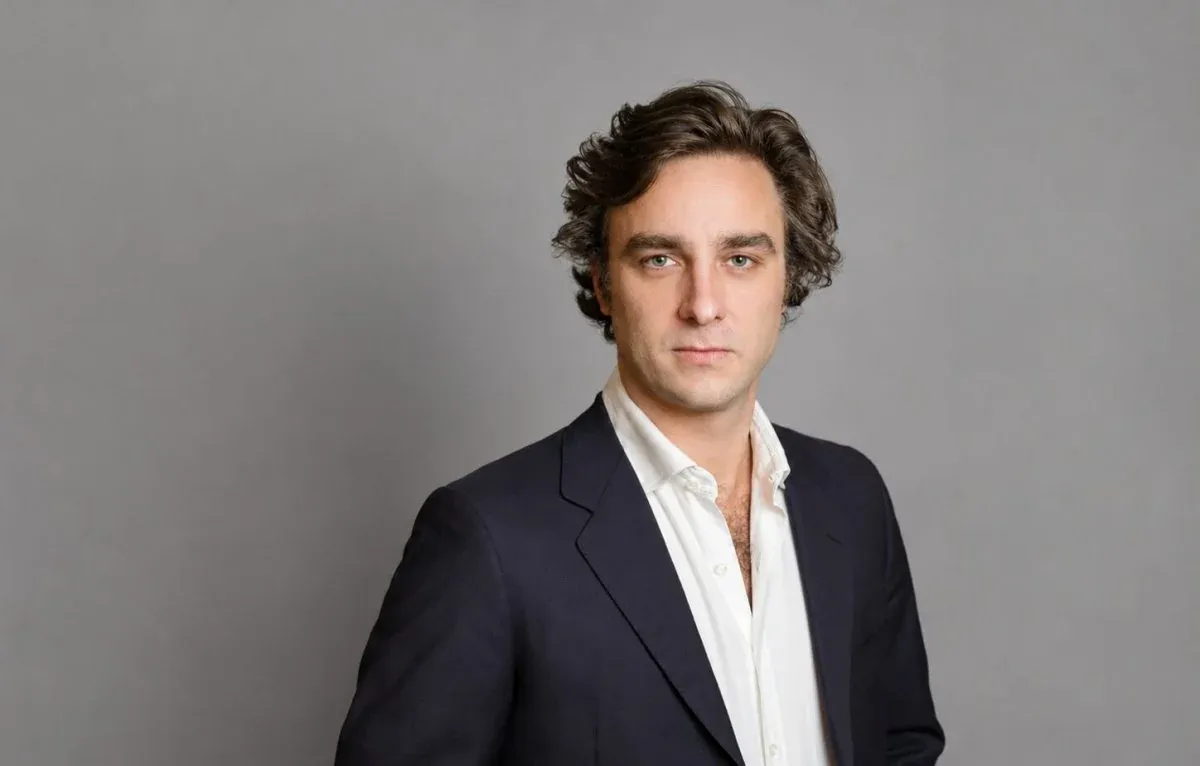
We're not an alternative to venture capital, but a complement. Unfortunately, few people in Italy use it yet." We discuss venture debt with Matteo Avramov Giulivi, co-founder of Atempo Growth , a company that has invested in around thirty startups, primarily in the UK and Germany, through loans with its first fund.
"A total of €272 million, and we're already recovering the capital. With the second fund, we're at around €400 million, plus €150 million in co-investment vehicles." On Monday, when we're dedicating this magazine to interviewing innovation investors, we analyze a tool that could expand startups' funding.
Recent figures have captured the trend: in 2025, venture debt accounted for approximately 29% of the total value of VC deals in Europe. The peak (47%) dates back to 2024. "We only look at deals involving VC funds. It would be unthinkable to finance with just debt; we complement the equity side. Anyone who raises €50 million could raise €20 million in debt, although there's no hard and fast rule." Giulivi, 35, returned to Italy a couple of years ago because the company opened an office in Milan with the aim of promoting venture debt to the Italian ecosystem.
"At 18, I went to London, where I studied and gained my first experiences. I started in investment banking with Rothschild, in the healthcare sector. Then I joined Kreos Capital, one of the largest venture debt funds in Europe." Atempo Growth was born from the need to continue along that path with a personal initiative together with two other partners. "We now manage around €950 million on the platform."
To succeed, venture debt cannot focus on the early-stage segment, but on companies that have already proven themselves in the market, with solidity and strategies. "In our first fund, our average ticket exceeded €11 million, and in the second, it's even higher." These numbers are inaccessible to early-stage investors. The focus is, in fact, on scaleups, companies that already have a commercially available product and measurable metrics.
But why is venture debt better than VC? "It allows a company to obtain a line of credit while waiting for a higher valuation, perhaps during a period of strong growth." The current downturn in the sector is unsurprisingly due to geopolitical and macroeconomic uncertainties. Risks are always present, and a fund of this type has certain limitations.
We don't take unnecessary risks. We can't invest in companies worth $10 billion without certainty. Our business isn't about spending money, but about maintaining a credit strategy. We shouldn't hope that one investment will pay for everything." Caution is warranted at a time when the hype surrounding Artificial Intelligence is monopolizing investment in that direction, with a galaxy of startups chasing those unprecedented resources.
"Venture debt is a derivative of venture capital. We're used to seeing capital pouring into certain industries. With AI, the trend is decidedly more structural." Among those who have invested in Atempo Growth is CDP Venture Capital, and Italy therefore remains on the fund's radar. "Of the countries we've invested in, Germany and the UK both account for 30%, followed by France, Spain, and Italy. I hope our country can reach 10% with this second fund."
Subscribe to receive the latest blog posts to your inbox every week.
By subscribing you agree to with our Privacy Policy.